Global menu

The Green pages

New England aster

English
  • Native Plants,
  • Annuals, perennials and bulbs
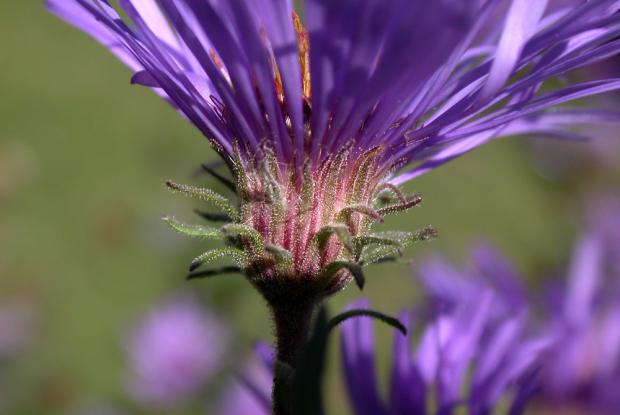
New England aster (Symphyotrichum novae-angliae)
Photo: Jardin botanique de Montréal (Stéphane Bailleul)
Symphyotrichum novae-angliae
  • Symphyotrichum novae-angliae
  • Symphyotrichum novae-angliae
  • Symphyotrichum novae-angliae
  • Symphyotrichum novae-angliae

Onglets

Botany

Origin and description

Perennial native to Québec. This aster is the prettiest of our flora, according to Brother Marie-Victorin. Its abundant and prolonged flowering is an invaluable food source for a number of insects late in the season. Preferably this aster is planted thickly, as the base tends to become sparser.

Height: 50 to 150 cm
Width: 30 to 60 cm
Blooms: pink to dark violet, August to October
Attraction for wildlife: attracts pollinators and butterflies

Common name

New England aster

Latin name (genus)

Symphyotrichum novae-angliae

English common name

French common name

Botanical family

  • Asteraceae
Horticulture

Growing conditions

Exposure: sun, semi-shade
Soil type: fresh, well-drained
Observation: to be cultivated in a well-ventilated site to lessen fungal-disease problems. May require a stake.

Sowing

In spring, sow New England aster seeds after giving them at least 60 days of cold stratification, a cold, moist treatment in the refrigerator.

In fall, they can also be sown directly outdoors, either in the ground or in pots buried in the soil.

Germination time: 15 to 20 days
Sowing depth: 3 to 5 mm

Hardiness

  • Zone 3

See also

Pests and diseases
Physiological disorders